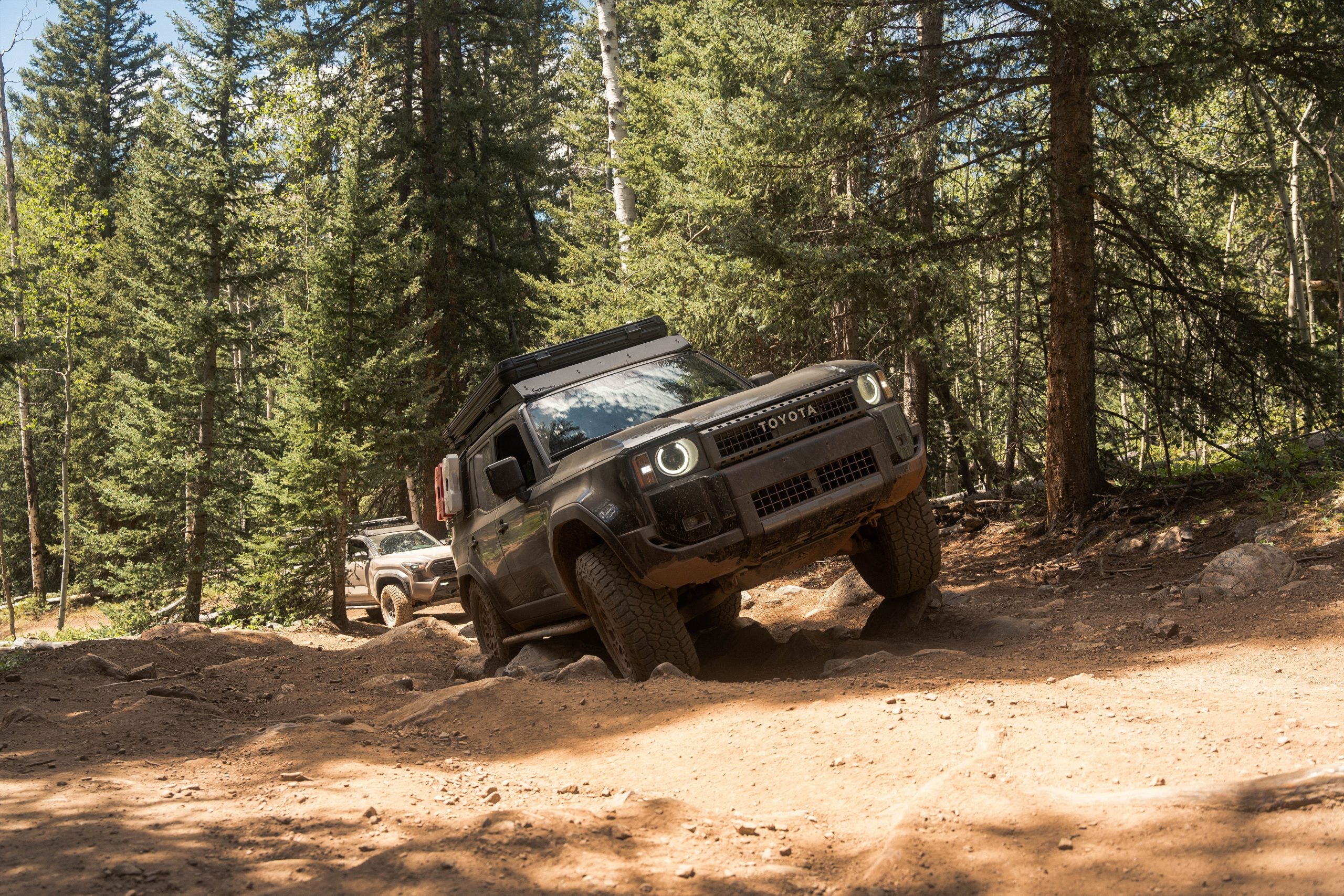

If you own a truck, Jeep or SUV around Henderson or Las Vegas and you're stuck on the leveling kit vs lift kit question, you've probably already read ten forum threads that disagree with each other. The real questions are simpler than the arguments: will it wreck how the truck drives every day, will you need an alignment, what tires will actually fit, and what happens next time you hook up a trailer? We install both at our Henderson shop, handle the 4x4 alignment in house afterward, and we're happy to fit a kit you've already bought. Here's how we explain the choice to customers at the counter.
Leveling kit vs lift kit: the short answer
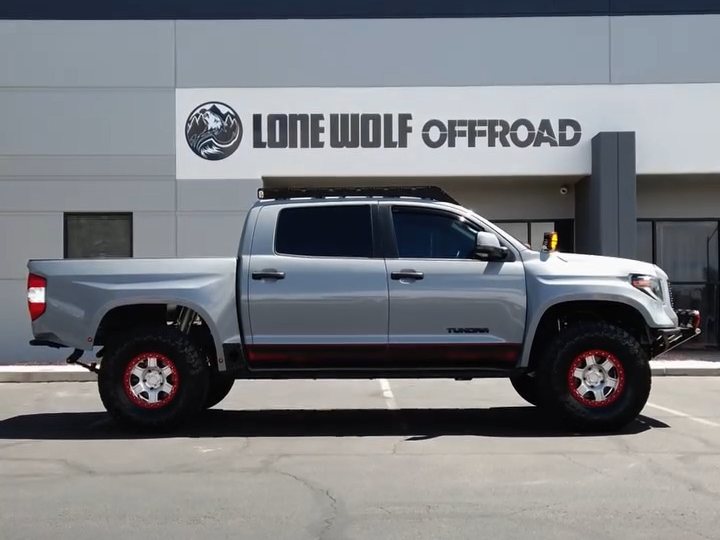
A leveling kit raises only the front of the vehicle, usually 1.5 to 2.5 inches, so it sits level with the rear. A lift kit raises both the front and the rear, typically anywhere from 2 inches to 6 inches or more, and replaces more of the suspension to do it.
Pick a leveling kit if you mostly drive on pavement, like the look of a level stance, and want room for a modest tire upgrade. Pick a lift kit if you want noticeably bigger tires, more ground clearance, or suspension that works properly off road. If you're somewhere in between, there's also a middle option, covered below.
Why your truck sits nose-down from the factory
Most pickups leave the factory with the front sitting lower than the rear, often by an inch or two. That's called rake, and it's there on purpose. When you load the bed or put tongue weight on the hitch, the rear squats and the truck comes back to roughly level instead of pointing its headlights at the sky.
A leveling kit removes that rake. For a lot of owners that's the right call, because the bed spends most of its life empty. If you tow or haul heavy on a regular basis, though, keep in mind that the factory rake was doing a job. Once the truck is leveled, a heavy load will leave it sitting nose-high.
How a leveling kit works
Leveling kits come in a few different designs, and the design matters more than the brand.
Spacer kits
The most common and cheapest kind. A spacer goes on top of the front strut or coil and pushes the front end up while keeping the factory spring and shock. They're quick to install and they do exactly what they promise on ride height.
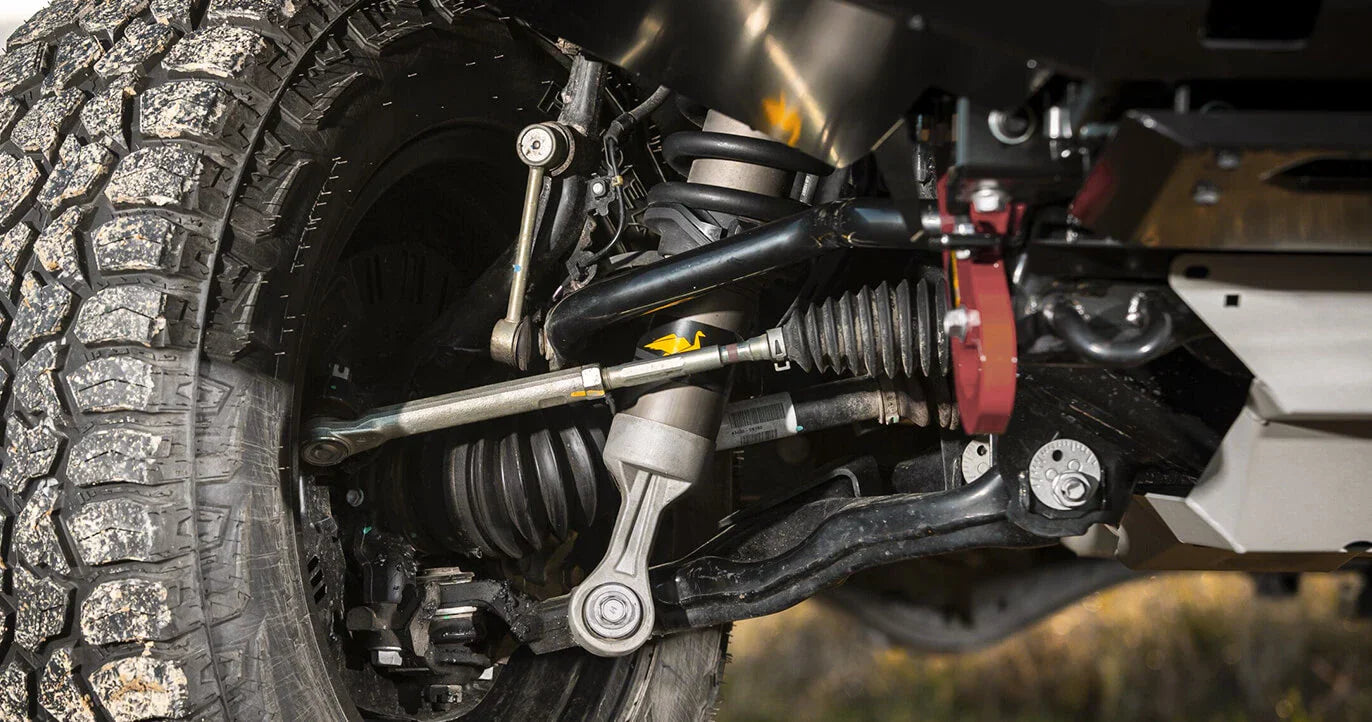
The tradeoff is geometry. On trucks with independent front suspension, a spacer holds the control arms further down their travel. That steepens the CV axle angles and uses up some of the suspension's droop, so the front can feel busier over dips and washboard dirt roads. A small spacer on a daily driver is usually fine. A tall one can start to cause problems.
Torsion key kits
Some trucks, including many heavy duty GM pickups, use torsion bars in the front instead of coil springs. On those, leveling is done with aftermarket torsion keys that re-index the bars to raise the front. It's a clean way to level, but it also reduces down-travel, which some owners notice as a firmer ride.
Coilover leveling: the middle option
This is the middle ground we often suggest. On trucks with coil-sprung independent front suspension, like the Tacoma, 4Runner and most half-ton pickups, you can skip the spacer and replace the factory front struts with adjustable coilovers from a brand like King, ICON or Fox. Many of these let you set front ride height within a range, so you get the level stance and a much better shock doing the work.
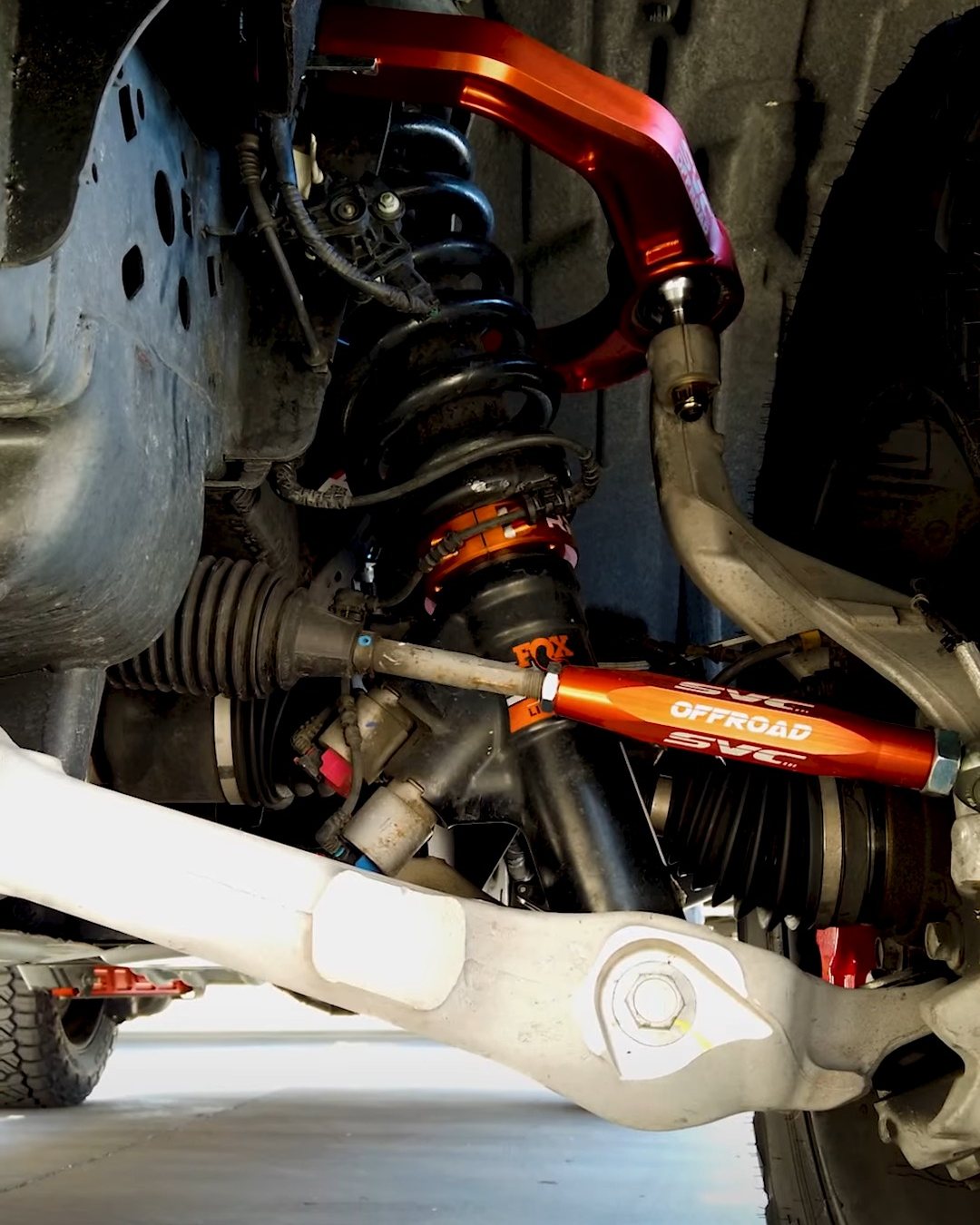
It costs more than a spacer kit, but it's often the upgrade people actually wanted when they asked for a leveling kit. The truck stays more controlled on rough roads and wallows less, without feeling harsh. If you want a closer look at one of the brands we install, here's our breakdown of what sets ICON's coilovers and control arms apart.
How a lift kit works
A lift kit raises the whole vehicle, and the range is huge. At the budget end, some "lift kits" are spacers up front and blocks or add-a-leafs in the rear. They add height but leave the factory shocks working outside the range they were designed for.
A proper suspension lift replaces the parts that control geometry. Depending on the vehicle and the height, that can mean new coil or leaf springs, new shocks, upper control arms, steering knuckles or drop brackets, sway bar and track bar changes, and longer brake lines. We install systems from BDS, Carli, ICON, Dobinsons and others, and the right one depends on what you drive and how you use it.
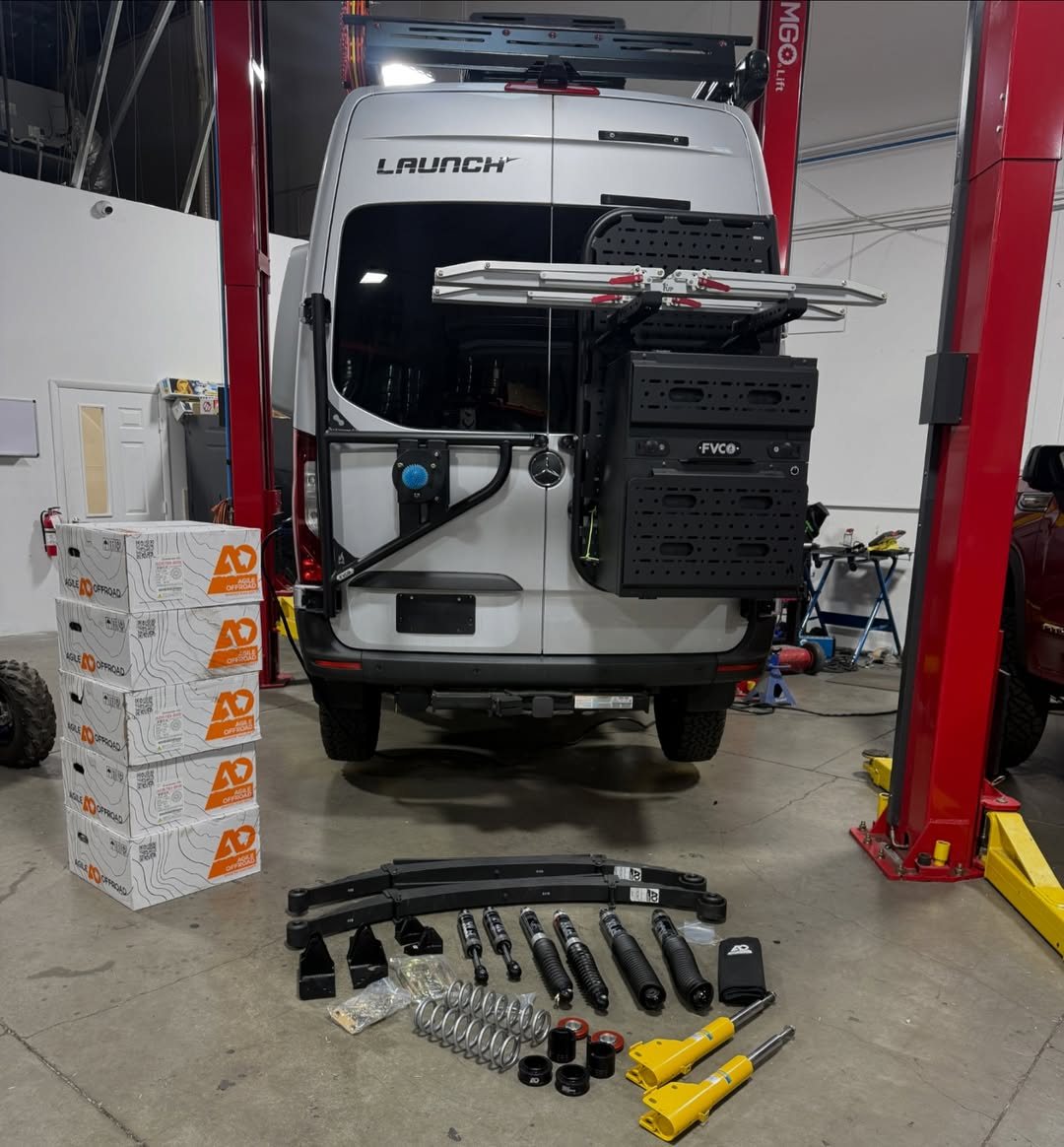
Bigger lifts also bring more things to check: driveline angles, steering feel, and how the truck behaves at highway speed with a higher center of gravity. That's a big part of why the quality of the install matters as much as the parts.
Side by side comparison
| Leveling kit | Lift kit | |
|---|---|---|
| What it raises | Front only | Front and rear |
| Typical height | 1.5 to 2.5 inches | 2 inches to 6 inches or more |
| Parts involved | Spacers, torsion keys or adjustable coilovers | Springs, shocks, control arms, knuckles or brackets, depending on height |
| Ride quality | Close to stock with spacers, often better with quality coilovers | Depends heavily on kit quality, from worse than stock to much better |
| Tire room | Roughly 1 to 2 inches more tire diameter | Significantly bigger tires |
| Install | Simpler, fewer parts | More involved, more parts to set up |
| Cost | Lowest option, higher with coilovers | Higher, and climbs with kit quality and height |
| Alignment after | Yes | Yes |
| Best for | Daily drivers, the level look, a modest tire upgrade | Big tires, clearance, regular off-road use |
What changes when you raise the truck
This is the part people forget to budget for, whichever kit they choose.
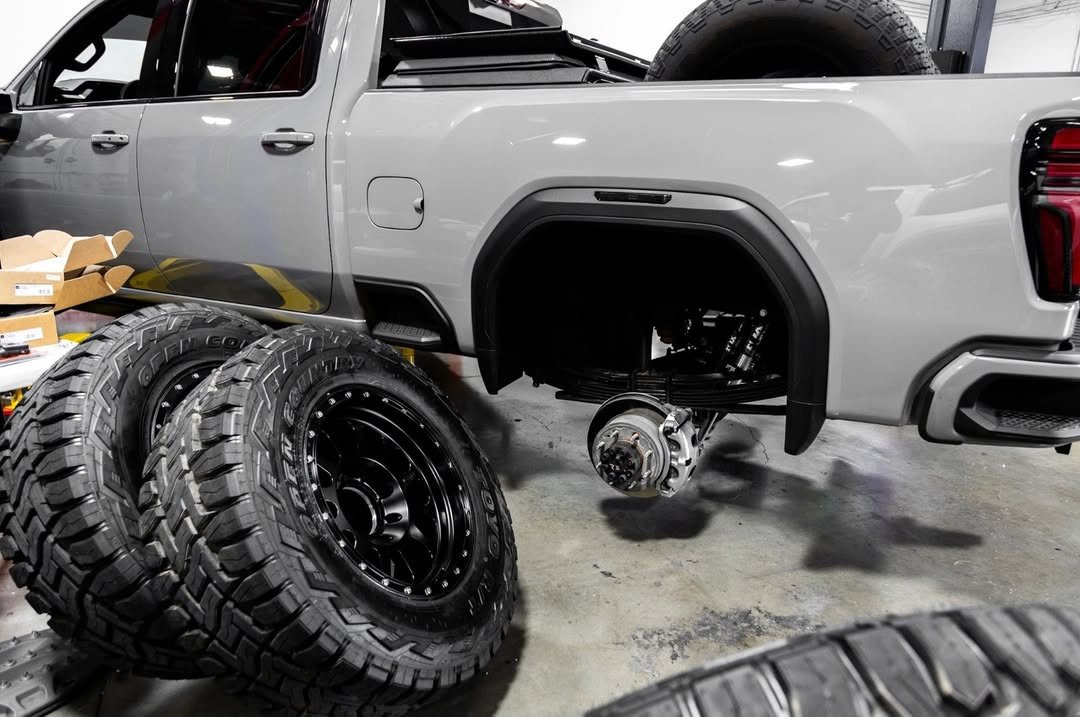
- Alignment. Raising the front changes camber, caster and toe. Both leveling and lift kits need an alignment afterward, and a lifted 4x4 needs a shop that knows how to align one. We do ours in house.
- Upper control arms. On many independent front suspension trucks, going much past about 2 inches up front pushes the factory upper ball joint close to its limit and makes it hard to get caster back into spec. Aftermarket upper control arms are designed to correct both.
- CV axles and ball joints. Steeper angles mean these parts work harder and can wear sooner, especially on taller spacer kits.
- Headlight aim. Raise the front and your headlights point higher. Get them re-aimed after the install.
- Speedometer. If you go up in tire size, your speedometer will read low until it's recalibrated.
- Fuel economy. A taller truck on bigger, heavier tires uses more fuel. The bigger the change, the more you'll notice it.
Leveling kit or lift kit: which should you pick?
Here's roughly how we'd steer you, based on how the truck actually gets used.
- Daily driver, mostly pavement, want the look and a slightly bigger tire: a leveling kit. Spacers if budget is the priority, coilovers if you care about ride.
- You tow or haul heavy often: think twice about leveling at all, and talk to us before you level a truck that tows.
- Weekend dirt roads and desert trails outside the valley: quality coilovers or a modest lift with good shocks. Ride control matters more than height here.
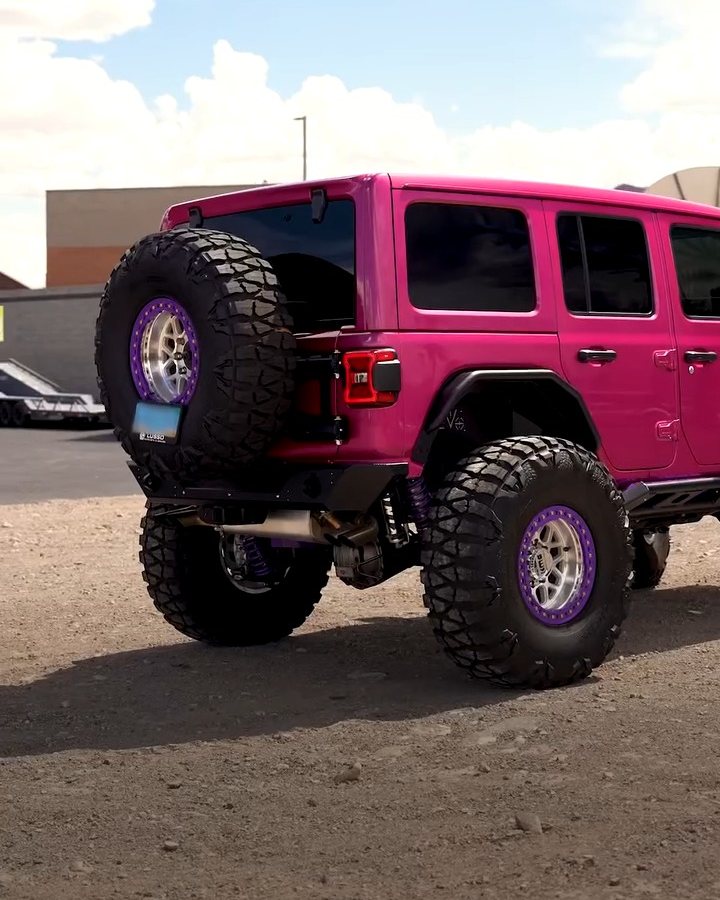
- You want big tires, serious clearance, or a dedicated trail rig: a full lift kit, built with the right control arms and shocks for the height.
And if a lift is more than you need, we'll say so. Sometimes a level and a better set of shocks is the right call.
Frequently asked questions
Does a leveling kit make the ride worse?
A small spacer kit usually keeps the ride close to stock. Taller spacers and cranked torsion bars can make the front feel firmer or busier over bumps because they reduce down-travel. Coilover-based leveling often rides better than stock, because you're upgrading the shock as well as the height.
Do I need an alignment after a leveling kit?
Yes. Any change to front ride height changes the alignment, and driving on it out of spec wears tires fast. Plan on an alignment right after the install, whether it's a level or a full lift.
Can I run 35 inch tires with just a leveling kit?
It depends on the truck. On some vehicles, 35s can fit on a level with the right wheel offset and some trimming. On many half-ton pickups, clearing 35s without rubbing at full lock or full compression takes more than a level. Bring us your truck and the size you want, and we'll tell you what it realistically takes.
Will a leveling kit or lift kit void my warranty?
Not automatically. Under the federal Magnuson-Moss Warranty Act, a manufacturer can't deny warranty coverage simply because aftermarket parts are installed. They can deny a specific claim if they show the modification caused the failure, and suspension-related parts like CV axles and ball joints are where that can come up. If your truck is still under warranty, it's worth a conversation with your dealer before the install.
Can you install a leveling or lift kit I already bought?
Yes. We install customer-supplied parts, and we can also order parts for most makes and models if you haven't bought anything yet. Either way, it helps to check fitment with us first so install day goes smoothly.
Talk to us about your truck
The fastest way to settle leveling vs lifting is to tell us what you drive and how you use it, plus the tire size you're after. We'll give you a straight answer, including when the cheaper option is the right one. See our lift and leveling kit installation services, or get in touch with the shop.
Lone Wolf Off Road · 1201 American Pacific Dr, Suite B, Henderson, NV 89074 · (702) 660-3134