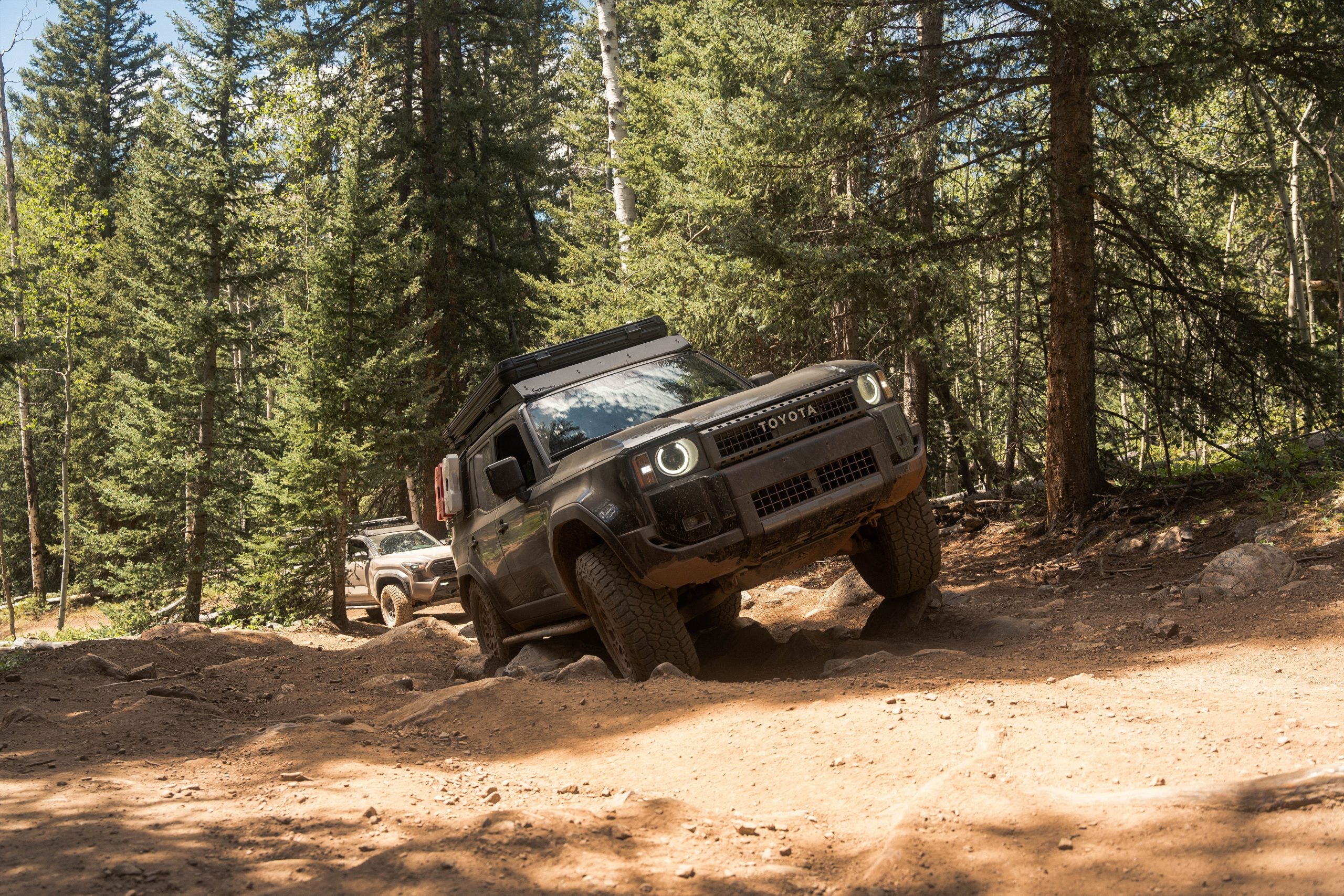

If your truck is new enough to still be under factory warranty, you've probably been told at some point that any aftermarket suspension will void it. It's a common reason owners around Henderson and Las Vegas put off leveling or lifting a truck they otherwise love. Does a leveling kit void your warranty? The short version is no, not the way most people fear. We install leveling kits and lift kits at our Henderson shop and do the 4x4 alignment in house, and people ask us about it regularly. Below is what the law says and what to do before you lift.
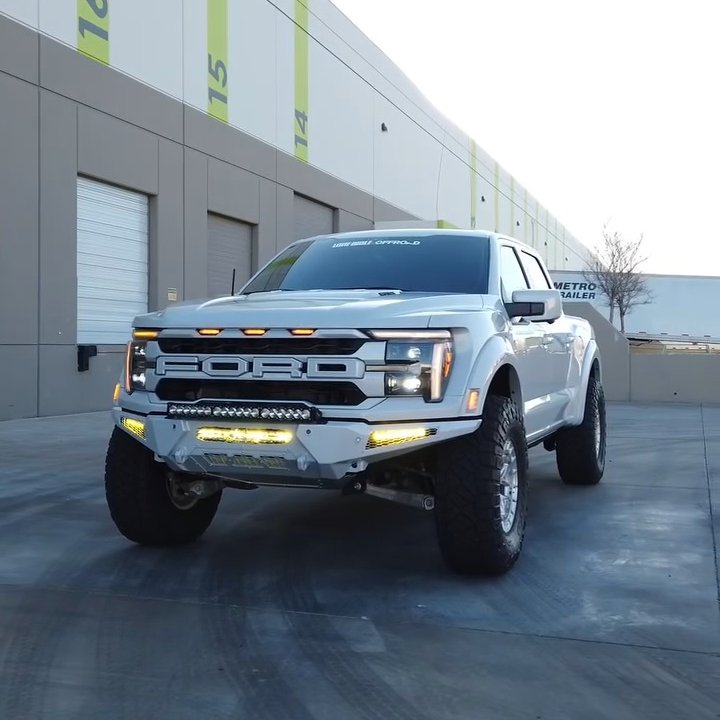
One note before we start: this is a plain-English look at how warranty rules generally work in the US. It isn't legal advice, and your own warranty booklet is the document that counts.
Does a leveling kit void your warranty? The short answer
No. Installing a leveling kit or a lift kit can't, on its own, void your whole factory warranty. Under federal law, a manufacturer can't deny warranty coverage just because aftermarket parts are on the truck. What it can do is deny a specific claim if it can show that the aftermarket part caused that particular failure.
Parts the kit has nothing to do with stay covered. The parts the kit touches, or puts extra load on, are where a dealer may push back.
What the Magnuson-Moss Warranty Act says
The rule comes from the Magnuson-Moss Warranty Act, a federal law signed in 1975. Among other things, it stops a company from making its warranty conditional on you using a particular brand of parts or service, unless it provides them free of charge or has a waiver from the FTC.
The Federal Trade Commission, which enforces the law, has put it plainly in its consumer guidance on auto warranties: the manufacturer "may not deny warranty coverage unless it can show that the aftermarket equipment caused the need for repairs." The FTC has also acted on it. In 2018, its staff sent warning letters to six companies, including automakers, over warranty language that suggested using other companies' parts would void coverage.
In practice:
- The whole warranty stays in place. A leveling kit can't be used as a reason to refuse an unrelated repair.
- A specific claim can still be denied. If a part fails and the manufacturer can show your kit caused it, that repair may not be covered.
Which parts a dealer might question after a lift
Think about what the kit changes. Parts that now work at different angles or carry extra load are the ones most likely to come up in a warranty dispute.
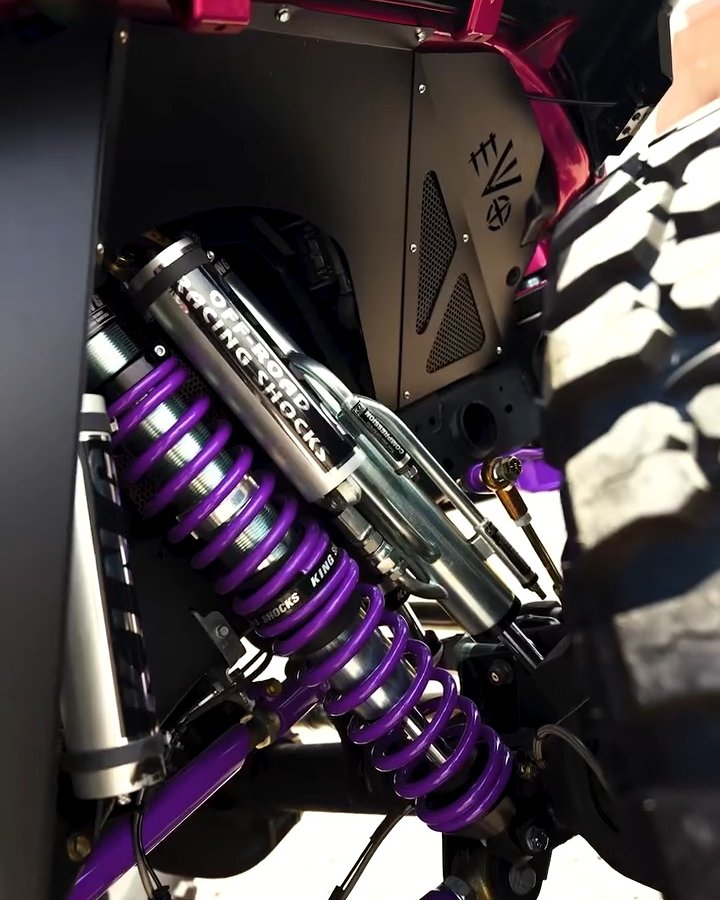
- CV axles. Leveling and lifting an independent front suspension truck steepens the CV axle angles.
- Ball joints and tie rod ends. Changed geometry can put more load on steering and suspension joints.
- Wheel bearings. Bigger, heavier wheels and tires add load here too.
- Driveline parts. On taller lifts, driveshaft angles and U-joints can become part of the conversation.
- The suspension parts you replaced. If the factory struts or springs came off, the new ones are covered by their maker's warranty, if they have one, not the truck's.
- Driver-assist sensors. Changing ride height can throw off the aim of cameras and radar on newer trucks, so ask whether yours needs recalibrating.
- Wired-in accessories. Light bars and other electrical add-ons can bring electrical claims into question if they're tied into the truck's wiring.
Parts the kit doesn't affect, like paint or infotainment, should stay covered. Engine and electrical claims usually do too, unless added accessories or much bigger tires are involved. If a dealer denies an unrelated repair just because the truck is lifted, that's exactly the situation the law is meant to cover.
Is a lift kit riskier than a leveling kit for your warranty?
Generally, yes, because it changes more. A small leveling kit on a daily driver touches a handful of front suspension parts. A tall lift with much bigger tires changes geometry front and rear, adds weight at every corner and may involve driveline and gearing changes. More changed parts means more room for a dealer to argue a failure is related.
A lift won't cost you coverage by itself, but the bigger the change, the more the parts and the install quality matter. If you're still deciding which way to go, our guide to leveling kits vs lift kits walks through what each one changes.
What about manufacturer-branded lift kits?
Some automakers sell their own lift kits. Two examples:
- Toyota TRD lift kit for Tacoma. It fits V6 4x4 Tacomas, excluding the TRD Pro and the Double Cab Long Bed, with up to 2 inches of lift up front and 1 inch in the rear. When Toyota launched it in 2021, it said the parts carry a 3-year, 36,000-mile warranty if installed before or at the time of sale, or 1 year, 12,000 miles if installed afterward. Confirm the current terms with your dealer.
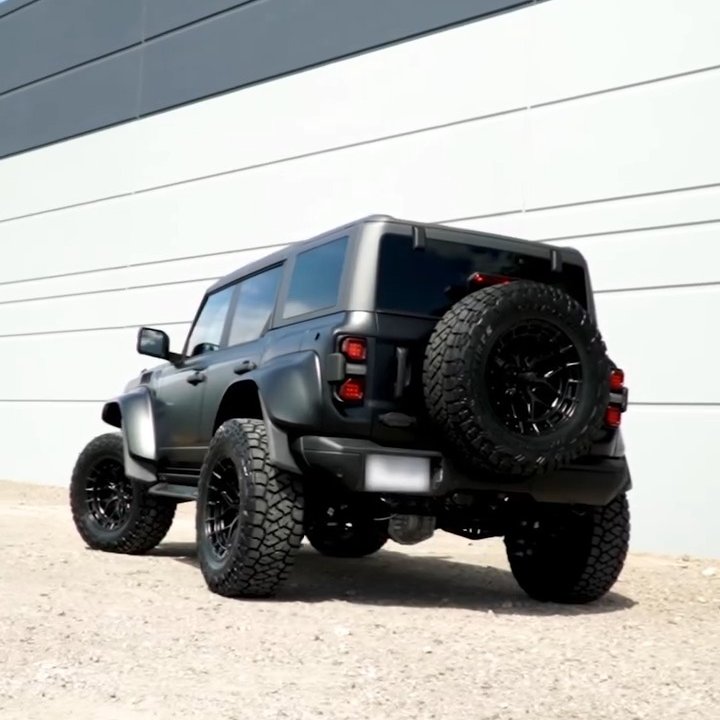
- Ford Performance 2 inch lift kit for the Bronco 4-door. Ford says it comes with a Ford Performance 3-year, 36,000-mile warranty when installed by a Ford dealer or an ASE/Red Seal certified technician.
These kits are a sensible choice if keeping things simple with your dealer is the top priority. The tradeoff is limited lift heights and fitments, so they won't suit every build. Note that each kit's own warranty has its own conditions, so read them before you buy.
How to protect your warranty when you level or lift
All of this is easier to do before the install than after a problem shows up.
- Read your warranty booklet. Look for the section on modifications and exclusions so you know what it actually says.
- Talk to your dealer's service department first. Some dealers are used to lifted trucks and are relaxed about it. It helps to know which kind yours is.
- Choose quality parts. A well-engineered kit from an established brand is easier to defend than the cheapest option you can find.
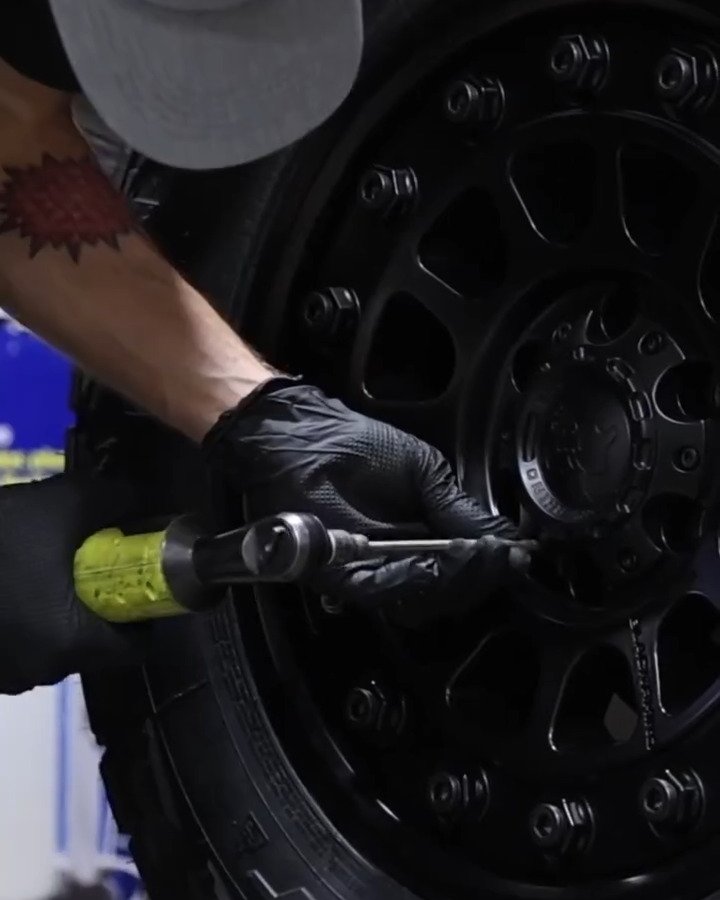
- Have it installed properly, with the correct parts, everything torqued to spec and nothing forced into place. That's a big part of why professional installation matters.
- Get an alignment right after the install and keep the printout.
- Keep every receipt. Parts invoices, install invoices and alignment records all help if a claim is ever questioned.
- Check any other agreements. If the truck is leased, read the lease terms on modifications. If you bought a separate extended service contract, read its terms as well, because it's a contract with its own rules.
What to do if a dealer denies a warranty claim
If a claim gets denied and you think the kit had nothing to do with the failure, don't just accept the first answer.
- Ask for the denial in writing, with the specific reason and the part involved.
- Take it up the chain. Start with the service manager, then contact the manufacturer directly. The FTC also suggests trying another dealer.
- Keep a log of every call, email and letter, with dates and names.
- If that doesn't resolve it, you can file a complaint with your state attorney general, your local consumer protection office, the Better Business Bureau or the FTC.
A denial should come with a reason that connects your kit to the failure. "The truck is lifted" on its own isn't one.
Frequently asked questions
Does a lift kit void the powertrain warranty?
No, not automatically. The powertrain warranty stays in force after a lift. A manufacturer could question a specific driveline claim if it can show the lift or much bigger tires caused the failure, but it can't refuse powertrain coverage just because the truck has been lifted.
Does it matter who installs the kit?
For your factory warranty, federal law doesn't let a manufacturer require dealer installation of aftermarket parts as a condition of coverage. The kit's own parts warranty is a different matter. Ford Performance, for example, ties its Bronco lift kit warranty to installation by a Ford dealer or an ASE/Red Seal certified technician.
Do bigger tires affect my warranty?
They can come into a dispute. Much bigger tires add weight and change gearing, which puts more load on wheel bearings and driveline parts. The same rule applies: the manufacturer would need to show the tires caused the failure, but it's one more reason to choose sensible sizes and gearing.
Is a leveling kit safer for my warranty than a lift kit?
Usually, yes. A leveling kit changes fewer parts, so there's less for a dealer to link to a failure. That said, even a small level changes front suspension angles, so it's still worth keeping your install and alignment records.
Can you install a kit on a truck that's still under warranty?
Yes. A factory warranty doesn't stop you from modifying your truck. Ask us which factory parts a kit replaces or changes, so you know exactly what to discuss with your dealer before the install.
Talk to us before you lift
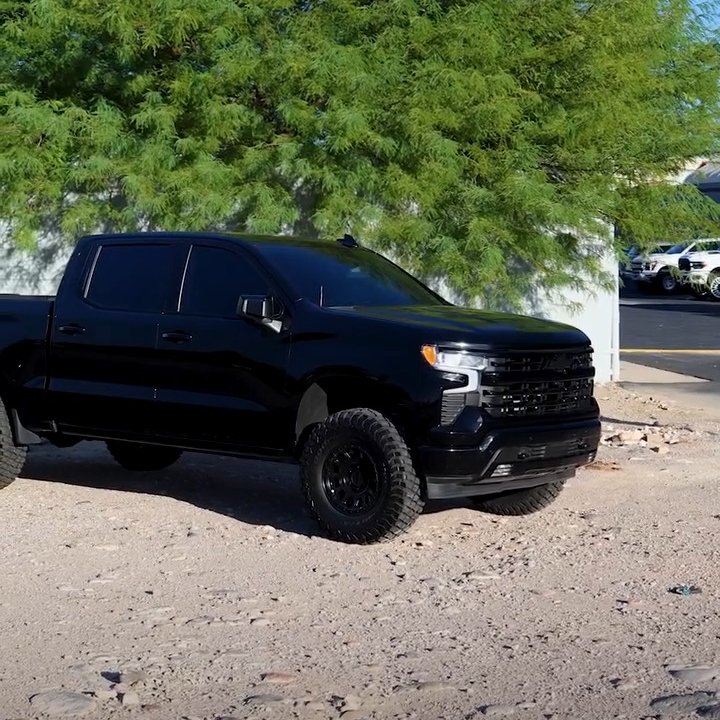
If you're weighing a level or a lift on a truck that's still under warranty, tell us what you drive and what you're planning. We can go over what a kit changes on your specific truck. See our leveling and lift kit installation services, read our breakdown of what it costs to lift a truck, or reach out to the shop.
Lone Wolf Off Road · 1201 American Pacific Dr, Suite B, Henderson, NV 89074 · (702) 660-3134